Online Poker Stake Shifts During Digital Asset Market Swings
Written by Quinn Albrecht · Aug 12, 2026
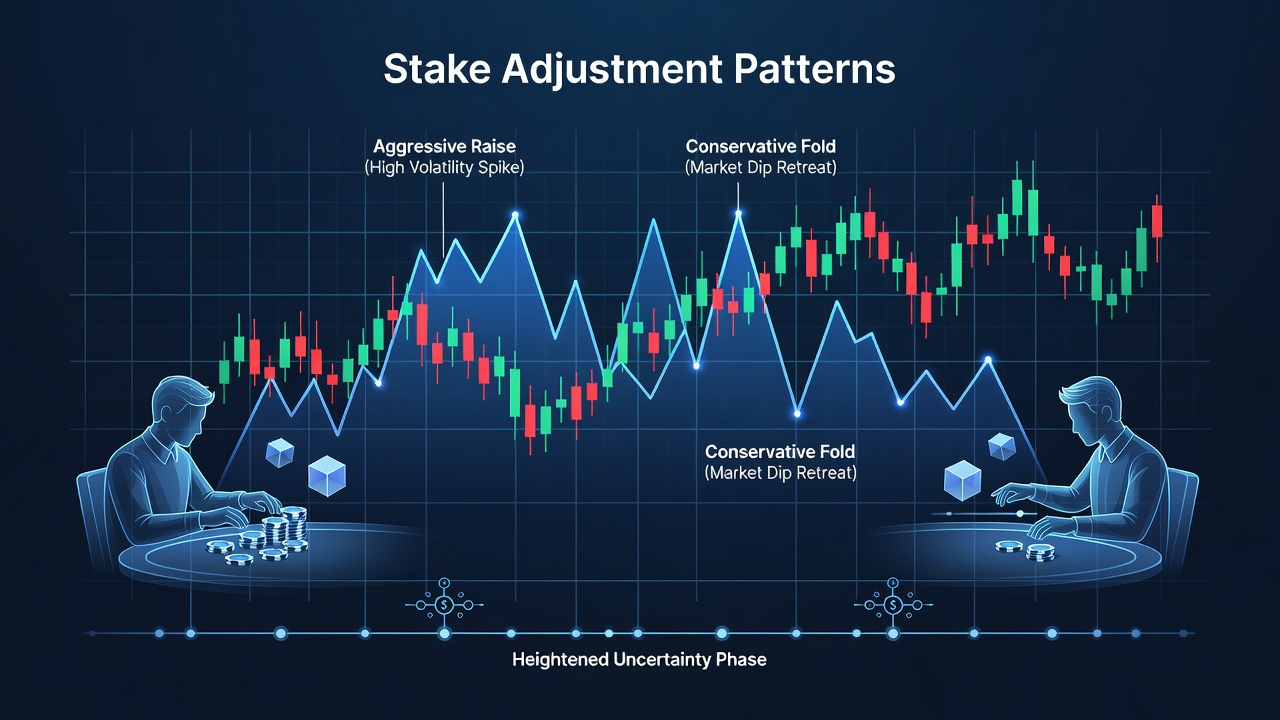
Online Poker Stake Shifts During Digital Asset Market Swings
Online poker platforms record measurable changes in stake levels when digital asset prices experience sharp movements, and data from multiple jurisdictions shows participants often reduce average bet sizes during these intervals. Researchers tracking transaction logs across major sites note that stake adjustments occur within hours of significant cryptocurrency declines, while recovery phases see gradual returns to prior levels. Observers note these patterns appear consistent across both cash games and tournament entries, though the magnitude varies by player demographics and geographic region.
Market Volatility Triggers and Timing
Digital asset price drops exceeding 10 percent within a 24-hour window correlate with immediate stake reductions among a subset of players who fund accounts through cryptocurrency deposits. According to reports compiled by the New Jersey Division of Gaming Enforcement, average stake sizes in online poker rooms declined by approximately 14 percent during the volatility episodes recorded in early 2026. Participants who maintain fiat-based funding methods show smaller adjustments, yet even those groups register modest shifts when broader market sentiment turns negative. Data indicates the strongest effects surface within the first 48 hours after a major price swing, after which many players stabilize their activity at new levels rather than reverting immediately.
Player Behavior Across Stake Tiers
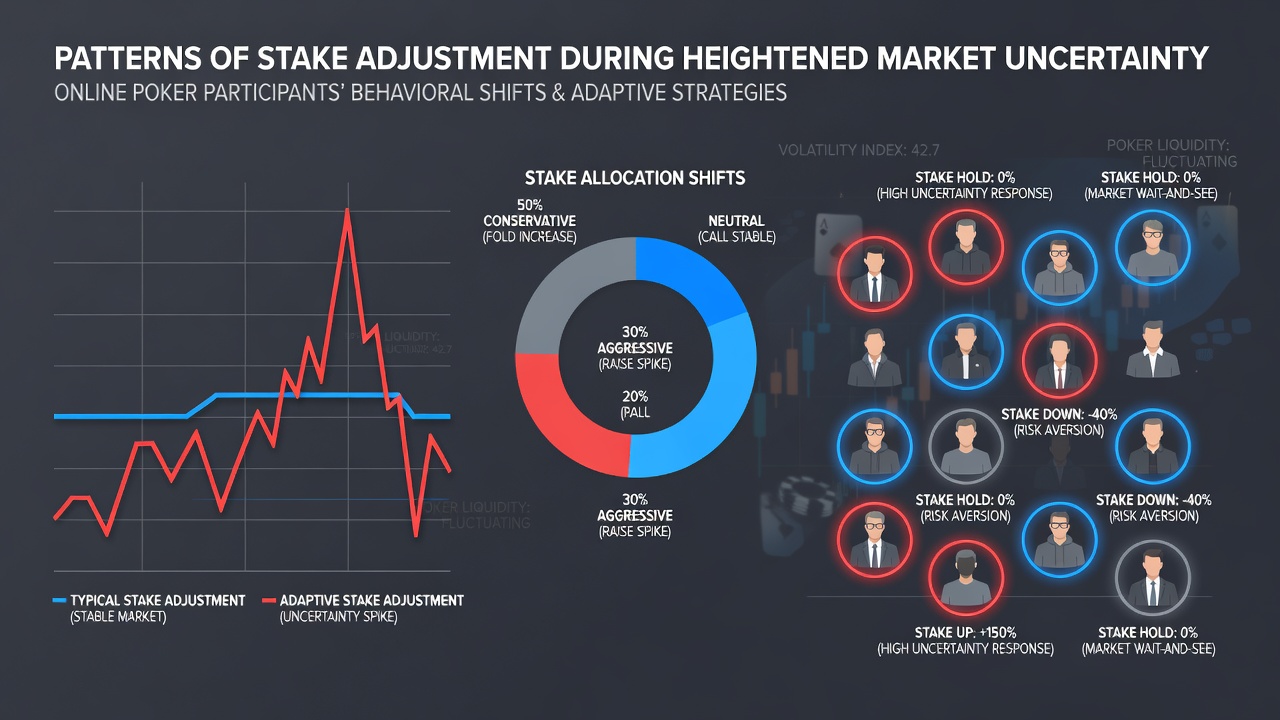
High-stakes participants demonstrate faster and larger adjustments than those at micro or low-stakes tables. Studies from academic researchers at the University of Nevada, Reno reveal that players competing above the $5/$10 level reduce buy-ins by an average of 22 percent during heightened uncertainty periods, whereas lower-stake cohorts adjust by roughly 8 percent. Some players migrate downward to smaller tables instead of leaving the platform entirely, and this migration pattern repeats across multiple volatility events. Those who've monitored session data find that the movement often concentrates among accounts with recent large cryptocurrency deposits, suggesting direct exposure to asset swings influences the decision.
Regional Variations in Adjustment Patterns
Players based in regions with higher cryptocurrency adoption rates show more pronounced stake modifications. Australian data compiled by the Australian Gambling Research Centre indicates that participants in states with elevated crypto wallet activity lowered stakes more frequently during the August 2026 market fluctuations than their counterparts in areas with lower digital asset usage. European operators report similar trends, though the response time appears slightly delayed compared with North American platforms. Cross-border players who switch between multiple sites sometimes maintain higher stakes on one platform while reducing them on another, creating a fragmented picture that requires aggregated data to interpret fully.
Recovery and Reversion Trends
Stake levels begin to rebound once digital asset prices stabilize for several consecutive days, and full reversion to pre-volatility averages typically occurs within two weeks. Platform operators note that some players adopt permanently lower stakes after repeated volatility events, while others return to original levels once market conditions ease. Longitudinal tracking from industry reports shows that accounts experiencing multiple adjustment cycles develop more conservative patterns over time, with smaller average buy-ins becoming the new baseline. This evolution appears independent of actual account balances and more closely tied to repeated exposure to market-driven uncertainty.
Conclusion
Patterns of stake adjustment among online poker participants during periods of heightened market uncertainty in digital asset values follow observable rhythms tied to price movement timing, player location, and prior exposure levels. Aggregated platform data and regulatory filings continue to document these shifts across different market cycles, providing consistent evidence that cryptocurrency volatility influences betting behavior in measurable ways. As digital asset markets mature and regulatory frameworks expand, the connections between external financial conditions and in-game stake decisions remain a focal point for ongoing analysis by researchers and operators alike.